Issues
Q. French supermarket fridges hacked to 50°C: what exactly happened?
The headline sounded like a joke: supermarket fridges at 50 degrees. That is not a fridge, that is an oven. Hackers in France made store refrigerators heat up overnight and shops had to throw everything away, and some posts online even blamed AI (artificial intelligence). So what exactly happened in the French supermarket fridge hack?
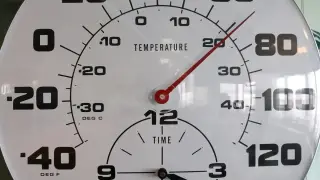
The short answer: on the night of 11-12 October 2026, hackers took over internet-connected refrigeration systems in French supermarkets and pushed temperatures up to 50°C (122°F), and about 700 stores had to throw out their fresh and frozen food. Reports point to a weakness in cooling-control systems that were running outdated firmware.

What happened in French supermarkets?
The attack began on Sunday night. The Paris prosecutor’s office described a “large-scale” attack on connected refrigerators at several major food retailers, with food losses and fires.
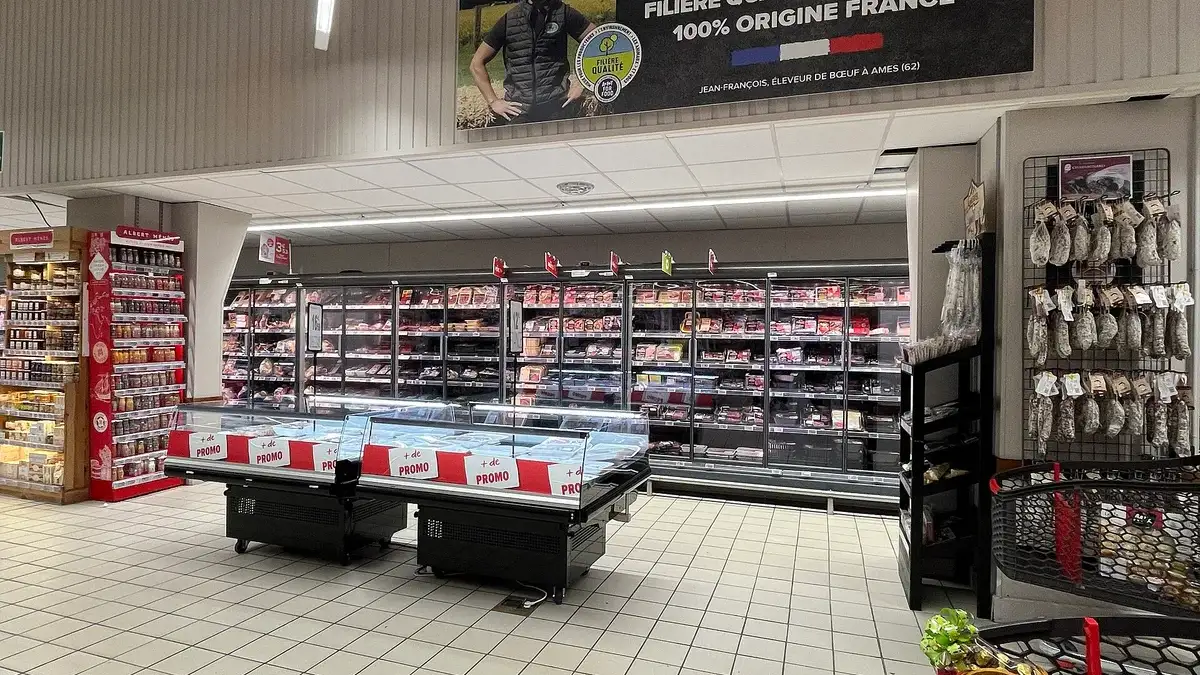
The damage was spread across the country. France’s economy minister told parliament that about 700 supermarkets were affected and said the attack had struck at the heart of food security. Carrefour said 80 of its roughly 6,000 French stores were hit, and Intermarché, Coopérative U and E.Leclerc also confirmed attacks. The company that runs Intermarché said fridges were heated to 50°C for six hours and that it threw all the food away to avoid any health risk.
French broadcaster BFM TV reported that the hackers remotely switched on the systems’ forced defrost mode, which heats the cooling coils to melt ice. In other words, the fridges were made to warm themselves up. The broadcaster put the losses at tens of millions of euros in a single day, though there is no official figure yet.
How do you hack a fridge?
Big supermarkets do not manage their fridges one by one. A single control system runs dozens of cabinets, and maintenance companies often log in over the internet to adjust temperatures and check for faults. That is convenient, but if the connection is broken into, every fridge in the store is exposed at once.
According to Reuters, a source close to the prime minister said France’s national cybersecurity agency, ANSSI (Agence nationale de la sécurité des systèmes d’information), had found a vulnerability in software supplied by the Danish company Danfoss. Danfoss said it was aware of incidents affecting a limited number of refrigeration management systems in France, that the affected units “were running outdated firmware”, and that it had long advised customers to keep their systems updated and replace older equipment.
So the problem was less the fridges themselves than the unpatched remote-control systems behind them. Prime Minister Sébastien Lecornu ordered ANSSI to investigate, and France is working with other European countries in case they were hit too. No group has claimed responsibility, and Reuters reported that the absence of any claim or ransom demand has puzzled investigators.
Was it an AI hack?
This is where many people get confused. None of the official statements so far say that AI was used in this attack.
AI came up because some articles paired the story with a separate warning: experiments suggest AI models could one day take over poorly secured smart appliances, and AI-assisted cyberattacks are on the rise. That is a real concern for the future, but it is not what officials say happened here.
Words in this story
This site saves one news story at a time and branches out into the words inside it. These are the first ones worth knowing.
| Word | What it means here |
|---|---|
| 50°C | The temperature the fridges reached, on the Celsius scale used in France. That is 122°F |
| Forced defrost | A mode that heats the cooling coils to melt ice. Reports say the hackers switched it on |
| Firmware | The built-in software that runs a device’s hardware. The hacked units ran an old version |
| Cold chain | Keeping food cold at every step from producer to shopper. Once broken, food has to go |
| Internet of Things | Devices connected to the internet and managed remotely, like these cooling systems |

Each word gets its own explainer, one a day, listed under “Branching out from this story” below.
Is my fridge at home safe?
This attack hit commercial systems that control a whole store’s fridges at once. Home fridges usually are not wired into anything like that. If you have an app-connected smart appliance, though, the basics are the same: install firmware updates, change any default password, and turn off remote features you do not use.
In short
The French supermarket fridge hack was an attack on internet-managed refrigeration systems with outdated firmware, which pushed fridges in about 700 stores up to 50°C. There is no evidence that AI was involved, and investigators are still looking for whoever did it.
Branching out from this story
 Celsius vs Fahrenheit: what is 50 degrees Celsius in Fahrenheit?
 What temperature should a fridge be? And the freezer?
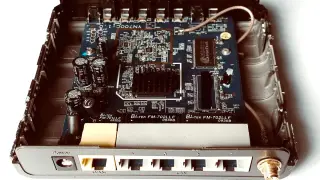 What is firmware, and what happens if you don't update it?
 What is the cold chain, and why throw away food after a power outage?
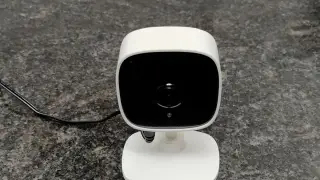 Can smart home devices be hacked, and how do you secure them?
 Can AI hack? How far have AI cyberattacks really come?
People also ask
When did the French supermarket fridge hack happen and how big was it?
It happened overnight on 11-12 October 2026. France's economy minister told parliament that about 700 supermarkets were affected. Fridges and freezers reached around 50°C, food was thrown away and some stores had fires.
Did AI hack the fridges?
There is no evidence of that. Officials and the equipment maker point to a weakness in refrigeration-control systems running outdated firmware. Some articles mentioned AI only as a separate warning about future attacks on smart appliances.
Could my fridge at home be hacked like this?
This attack hit commercial systems that control a whole store's fridges at once, which home fridges usually are not part of. If you have an app-connected smart appliance, keep its firmware updated and change any default password.
Sources
- Reuters (via TimesLIVE) - Hackers heat French supermarket fridges, sparking fires and food losses (12 Oct 2026)
- Al Jazeera - Hundreds of supermarkets in France hit by 'unprecedented' cyberattack (13 Oct 2026)
- Business Insurance (Reuters) - Investigators hunt French supermarket fridge hackers, no claim of responsibility
- The Local France - What we know so far about the cyberattack that targeted French supermarkets
- SBS Biz (Korean) - France: 700 supermarkets hit by fridge hack, 'touched food security' (14 Oct 2026)